
Can Israel Survive Without the US?
Middle East Eye
Dependent on US aid, European trade, and Zionist lobbying, Israel faces mounting pressure as global opinion shifts and Western nations consider reducing support. The country's war economy model is increasingly unsustainable amid declining public backing and potential sanctions.
Can a nation sustain perpetual war and still thrive? Israel is seeking the answer.
Since 1948, Israel has repeatedly clashed with neighboring Arab states, but under Prime Minister Benjamin Netanyahu, the government has intensified prolonged occupations in Gaza and the West Bank while expanding violence against Iran, Lebanon, Yemen, and Syria. This strategy has led to a bloated defense budget and moral decline, with military spending nearly doubling as a share of GDP, damaging civilian sectors, tourism, and foreign investment.
Reports from the International Monetary Fund (IMF) and analyses from The Jerusalem Report show Israel has shifted from a growth model based on consumption and peace to a security-focused industrial complex. Experts describe it as a 'Super Sparta War Economy,' dependent on inexhaustible manpower, surveillance technology, AI weapons, and foreign capital.
Throughout nearly 80 years of history, Israel has relied on US aid and weapons, European tolerance, and a powerful Zionist lobbying campaign in Washington. However, Western public opinion has shifted dramatically over the past two years, with support for Israel plunging, especially among youth and Democratic voters in the US. A Pew Research poll from April 2026 confirms this trend.
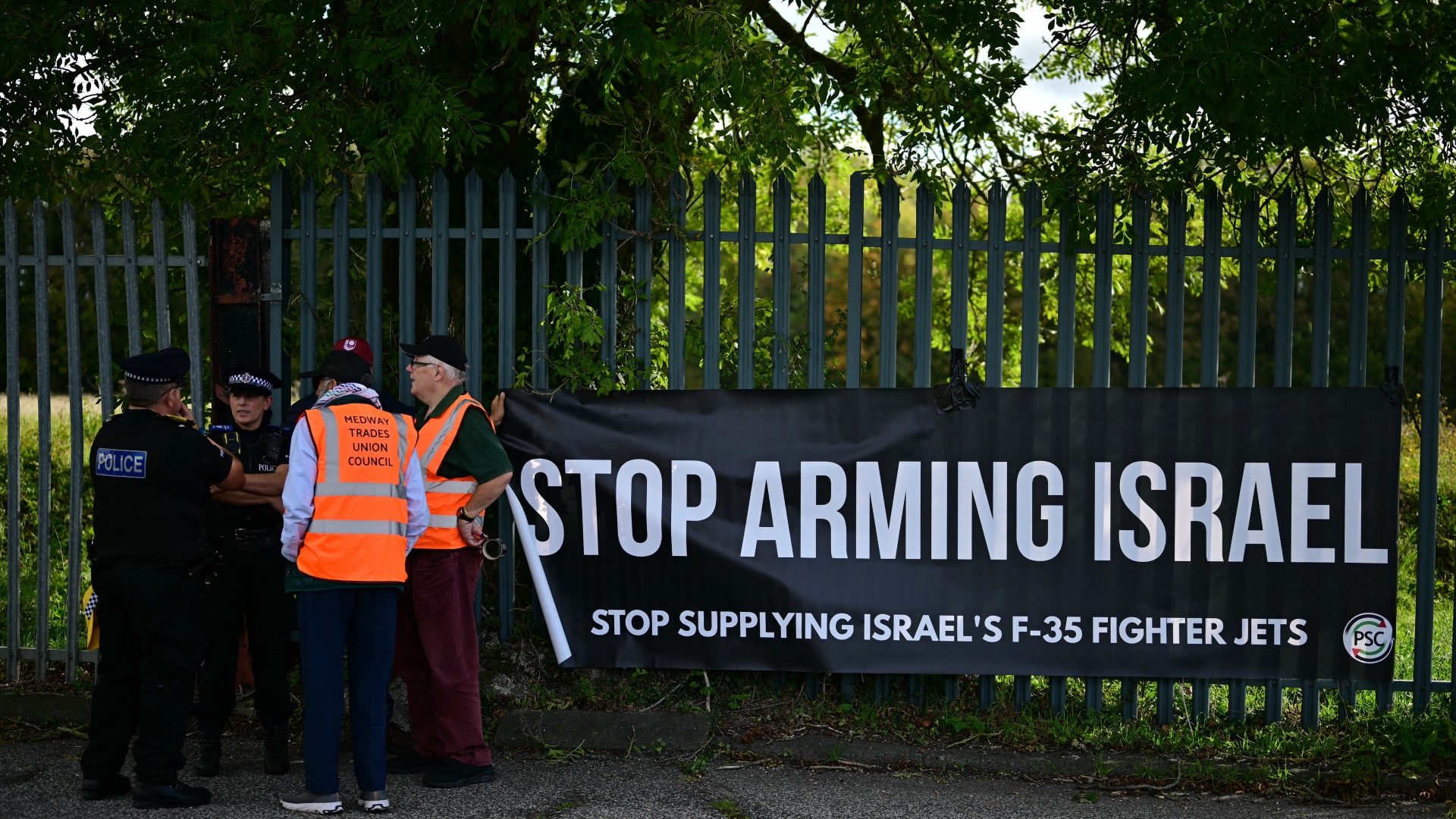
In the US, political pressure is mounting to halt arms transfers to Israel. Democratic and independent lawmakers urge Congress to comply with the law and not use taxpayer money to support violence. According to Zeteo, 'the level of support for blocking arms transfers to Israel shows a serious decline in public backing.' Israel is also preparing to negotiate with the US on ending military aid by 2038.
In Europe, lawmakers increasingly push for sanctions or boycotts against Israel, but EU leaders in Brussels have yet to take concrete action. Israel is economically vulnerable if the EU—its largest trading partner—replaces statements of concern with real sanctions.
Israel's political future may see Netanyahu gone, but potential successor Naftali Bennett, who previously sought to exclude Arab parties from coalitions, is not expected to fundamentally change policy. Many nations have lost legitimacy through violence, but Israel remains long-term dependent on the US—a vulnerability that makes it hard to escape accountability.
However, cutting US aid alone cannot end Israel's violations in Palestine and the region. This requires a global movement that is forming but not yet politically strong enough to bring real change.
