
ICC Chief Prosecutor Ready to Cooperate in Probe of Cameron's Alleged Threat
Middle East Eye
In an exclusive Middle East Eye interview, ICC Prosecutor Karim Khan confirmed he would cooperate with any UK parliamentary probe into an April 2024 call with former Foreign Secretary David Cameron, who allegedly threatened to cut funding and withdraw from the Rome Statute if the ICC pursued arrest warrants for Israeli leaders. Khan described the call as ‘difficult’ and said he expected better from a former prime minister.
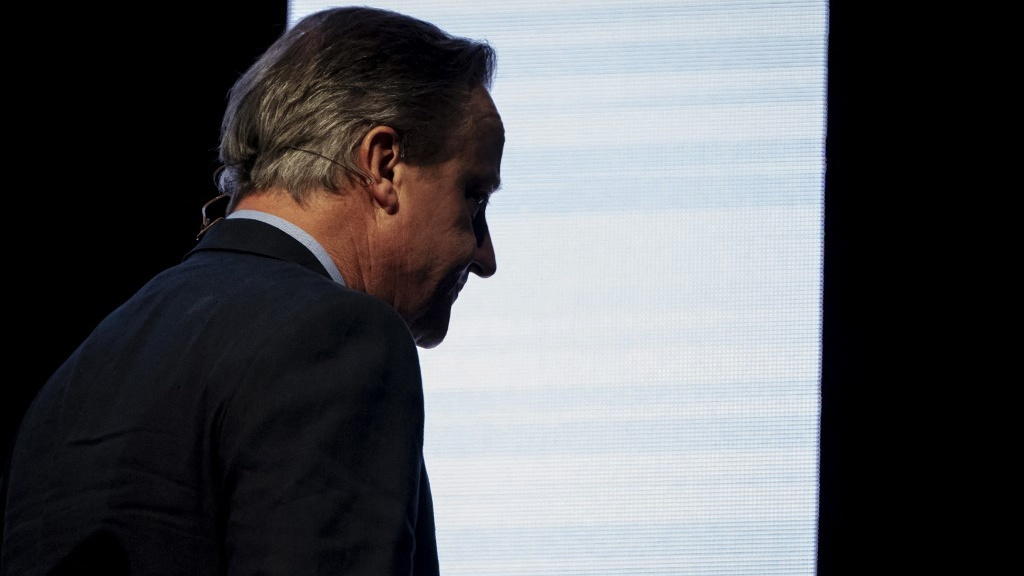
International Criminal Court (ICC) Prosecutor Karim Khan has confirmed he will cooperate if the UK House of Commons Foreign Affairs Committee opens an investigation into his April 2024 phone conversation with former Foreign Secretary David Cameron. Khan described the call as “difficult.”
In an exclusive interview with Middle East Eye (MEE), Khan said Cameron told him that “I’ve lost control, or will be seen to have lost control, if we proceed [with the arrest warrants].” Khan recounted: “A number of questions were raised, and consequences, or potential consequences, were conveyed to me in a difficult conversation.”
MEE reported in June last year that, during the April 23, 2024 call — weeks before Khan filed requests for arrest warrants against Israeli Prime Minister Benjamin Netanyahu and former Defense Minister Yoav Gallant — Cameron threatened that the UK would “cut funding to the court and withdraw from the Rome Statute” if the ICC issued arrest warrants for Israeli leaders. Cameron also compared issuing the warrants to setting off a “hydrogen bomb.”
Khan said: “Clearly [Cameron] was not happy with what he heard and thought it would be difficult from his point of view.” He stated the call made it “unmistakably clear” that the UK is one of the court’s largest donors, and that “his [Conservative] party, and the US too, might think I would lose political support.”
According to international law experts, Cameron’s alleged conduct could constitute a criminal offense under Article 70 of the Rome Statute on offenses against the administration of justice. Francesca Albanese, UN Special Rapporteur for Palestine, said: “A threat against the ICC, whether direct or indirect, is an obstruction of justice.”
Expressing his feelings about the call, Khan said: “I love this country and have great admiration for the British legal system… I was very sad to have that conversation, because from someone who was a prime minister, I expected more. I think he should have known better.”
Khan suggested Cameron would not have spoken the same way to the UK’s Attorney General or Director of Public Prosecutions in domestic cases like “Partygate.”
Although the UK Foreign Office previously stated that Khan “was the only person on the call,” MEE reported that Cameron’s special adviser, Baroness Liz Sugg, also listened in. The Foreign Office repeatedly declined to comment on the matter.
In a November 2024 letter to MP Andy Slaughter, Middle East Minister Hamish Falconer said: “This government does not comment on the actions of previous governments… The United Kingdom respects the role and independence of the ICC.”
Several British MPs, including former Scottish First Minister Humza Yousaf, have called on “the UK government to be honest” and urged Foreign Secretary Yvette Cooper to “publish all relevant correspondence and conduct an independent investigation.” Labour MPs Richard Burgon and Imran Hussain also wrote to the government in December urging a “transparent and independent” review into whether ministers or senior officials sought to interfere with the ICC.
In the same interview, Khan also disclosed the extraordinary pressure and threats he faced related to the Israel war crimes investigation. He has been on extended leave since May 2024 pending a UN investigation into allegations against him. A panel of judges concluded there was no evidence of “misconduct or dereliction of duty,” but he has not yet returned to duty after a group of Western countries voted for further review.
