From Kabul to Tehran: When US Diplomacy Turns Transactional
Middle East Eye
Under Donald Trump and continuing under Joe Biden, US foreign policy has shifted from alliance-based coordination to transactional bargaining, beginning with the abandonment of allies during the Afghanistan withdrawal and now playing out in the confrontation with Iran. This approach, which bypasses traditional partners and negotiates directly with adversaries, has left allies questioning Washington's reliability and sparked fears about the future of collective security.
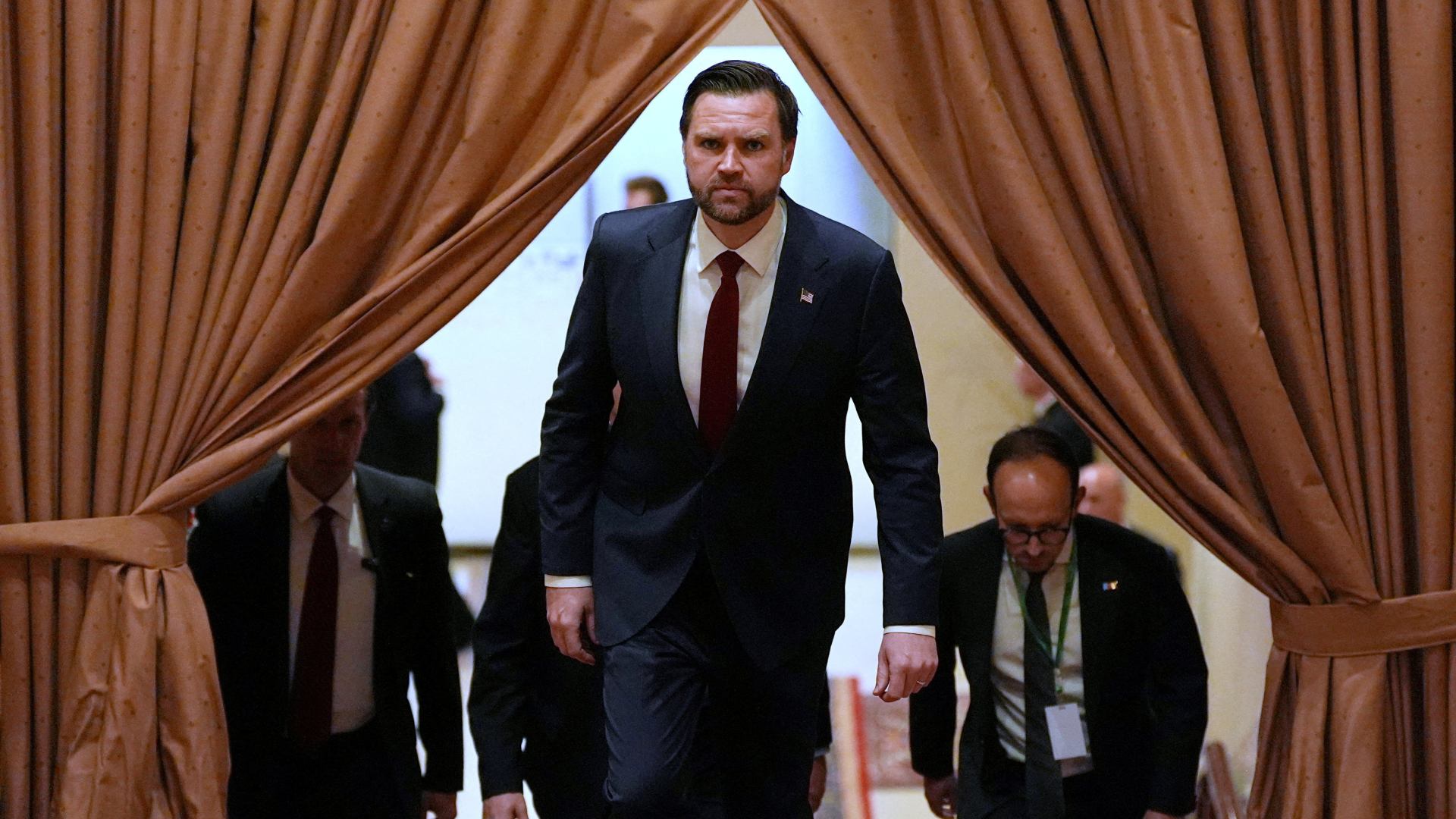
Former US President Donald Trump has repeatedly criticized NATO allies for not supporting the US-Israel strike on Iran on February 28, an escalation that led to the closure of the Strait of Hormuz — the world's most vital energy artery. Trump even threatened to expel Spain from NATO if it did not cooperate.
However, according to an analysis from the book Shadows Over Kabul by author Muhammad Tahir, this rift is actually the continuation of a policy forged during the withdrawal from Afghanistan — when US diplomacy shifted from alliance-based coordination to transactional negotiation. The author argues that Washington's willingness to bypass allies to negotiate directly with adversaries is the United States' longest-lasting legacy in Afghanistan.
This process began during Trump's first term, when the US administration opened bilateral talks with the Taliban without the involvement of the Afghan government. Former Afghan Ambassador to Washington, Hamdullah Mohib, said: "We were excluded from the key dialogues in Doha, while the Taliban were granted international legitimacy. Afghanistan's future was being negotiated without its democratically elected government at the table."
The Doha agreement signed in 2020 was the culmination of this shift. Secretary of State Mike Pompeo and special envoy Zalmay Khalilzad chose to sit next to the Taliban's deputy leader rather than President Ashraf Ghani — a clear signal of disregard for an ally. According to a lead negotiator for the Afghan government, Abdullah Khanjani, this move "was a turning point for the Taliban."
The consequence was that the Afghan government was forced to release 5,000 Taliban prisoners, a move Ghani described as "releasing a pack of wolves" that also angered US allies such as Australia. Former Afghan National Security Adviser Hamdullah Mohib stressed: "We weren't shown the final text of the agreement before it was signed. It was a deliberate betrayal."
After President Joe Biden took office, the accelerated withdrawal from Afghanistan left the Ghani administration stunned, desperately short of air support as the Taliban gained ground and overthrew the government. Author Muhammad Tahir concludes: "Afghanistan showed allies the power of transactional diplomacy in retreat. Iran now shows what it looks like in escalation."
Both cases demonstrate that alliance politics bend to Washington's immediate objectives rather than any enduring idea of collective strategy. As a nuclear superpower, US actions carry global consequences, and this may force the world to confront questions about American power.